You may not be what you eat (now) but you will be

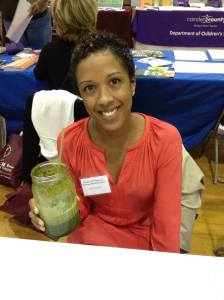
green smoothie 1

So what is this riddle all about?  I had a brief exchange with a young man (21 years old) recently.  He was drinking an energy drink and saying that he knew they were bad for him.  One of his justifications was that he doesn’t drink coffee so that’s his way of ‘waking up’ when he begins his day.  I asked him why he just didn’t go to bed earlier.  His reply was that that absolutely not an option with his lifestyle and specifically spending time with his girlfriend.   He then said that he can ‘get away with it’ at this age and once this phase was over he would stop drinking them.  I told him that when someone develops an illness in middle age or older it’s not because of something they consumed yesterday or even last year.  The negative  consequences of unhealthy habits compound in the body over time and then manifest in a health problem decades later.  He agreed as he continued drink the toxic beverage.

Many young people have this mindset that they can eat whatever they want and lead a  lifestyle consisting of harmful habits such as not sleeping enough when they are young because they can still handle it.  This is especially evident in those ‘lucky ducks’ that remain slim in spite of eating large amounts of junk foods.  It’s unfortunate that many people change their habits only when they are diagnosed with a life threatening or serious disease.  When cancer tumors are detectable or the liver is damaged or the pancreas malfunctions these are the results of decades of abuse from a poor diet and lifestyle.  Basically the damage is done by the time we feel symptoms or see physical evidence of a problem.  If the problem can be cured  drastic measures such as surgery or medication are typically required.  In some cases a significant dietary change helps.  This is very difficult for some people to adapt because their eating habits and cravings are ingrained physically and emotionally.
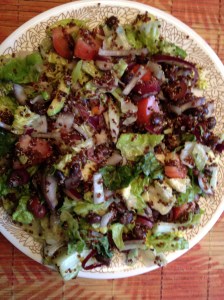
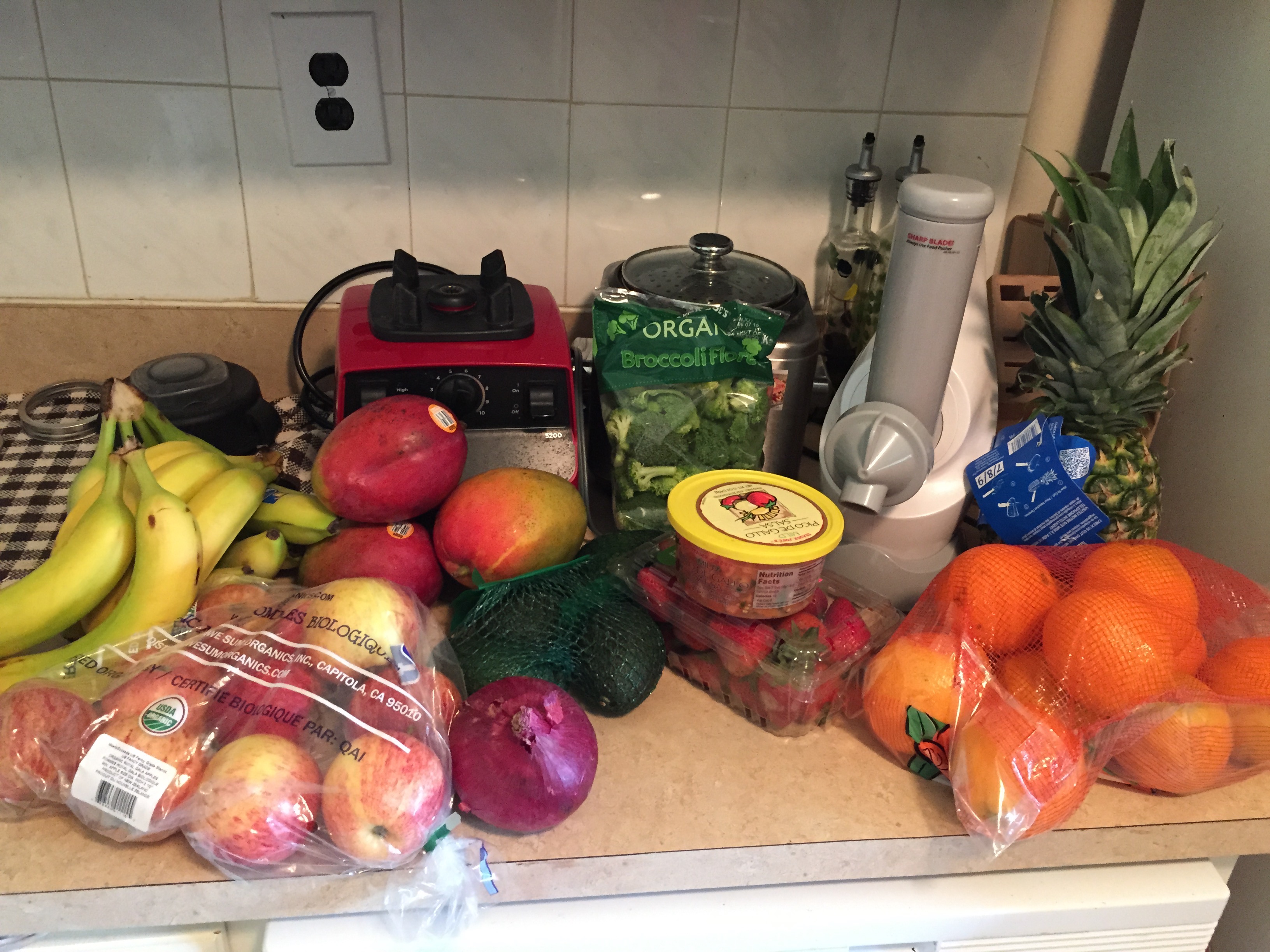
IMG_6074IMG_8129

I firmly believe in a proactive approach to long term health.  Lifestyle and diet are not the only components involved in preventing illness but they are major factors over which we have so much control.  Make the choice now to make some permanent changes to reduce your risks of getting sick.  Most of us know what to do to be healthier.  The challenge arises with executing these behaviors on a consistent basis.  Just in case you need a reminder here are some simple tried and true tips:

  1. Drink more water.
  2. Eat more fruits, vegetables and whole grains, beans and healthy fats.
  3. Eat less or no meat and dairy.
  4. Avoid processed foods with artificial additives, added sugar and added oils.
  5. Get more sleep;7-8 hours per night.
  6. Exercise everyday or as much as possible
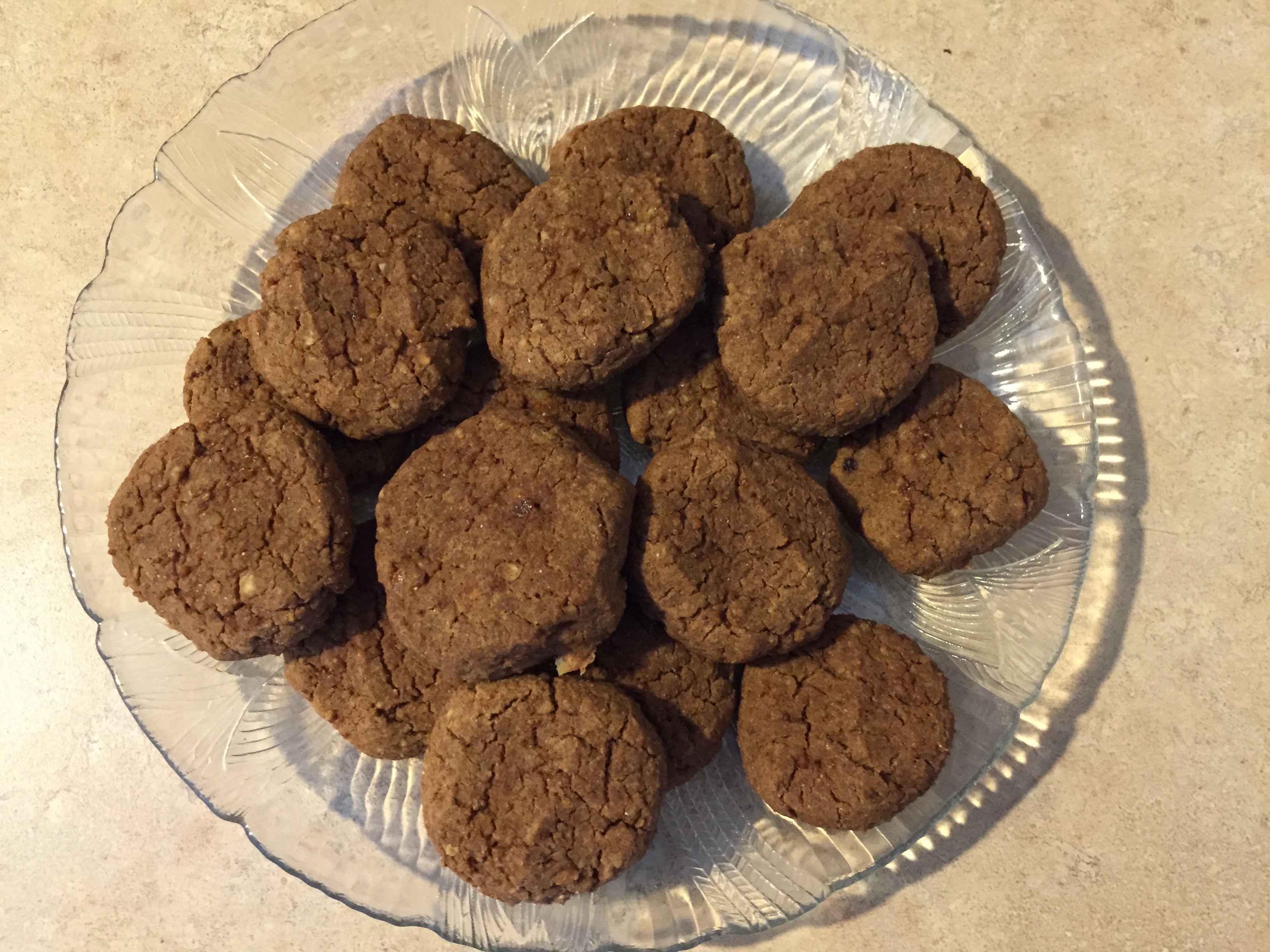
Chickpea Snicker Doodles

IMG_7531

This is a fun way to eat chickpeas if you’re tired of having them on salads and you’s like a sweet treat that has some protein and fiber.  These cookies are chewy, moist and pleasantly dense if you like that sort of thing.  I try to avoid added sugar but I felt it was necessary so you don’t taste the peas too much. Coconut sugar is a less processed alternative, it contains minerals and has a lower glycemic index.

1 1/2 cups cooked chickpeas (I used ready made from a can or carton)

2 tbsp room temp nut butter.  I used natural peanut butter with only two ingredients: peanuts and salt (no sugar added)

1/4 cup chickpea flour

2 tbsp coconut sugar

12 drops stevia

1tbsp ground flaxseed

2 tsp cinnamon (1 1/2 if you don’t LOVE it like I do.)

1 tsp vanilla extract

1 tsp baking powder

1/2 tsp sea salt

2-3 tbsp water

Method

  1. Preheat oven to 350 and line a baking sheet with parchment paper.
  2. Rinse and dry chickpeas well then mash them in a food processor.  I use a manual one from Pampered Chef.
  3. Add nut butter, vanilla and stevia to peas and process until well blended.
  4. In a separate bowl combine the dry ingredients.
  5. Combine both mixtures well.  It will be stiff.  Add water as needed but just enough so there are no dry ingredients showing.
  6. With wet hands roll into balls and place on sheet.  It made 20 small cookies for me.
  7. Press each ball down to flatten a bit.
  8. Bake for 14-15 minutes.

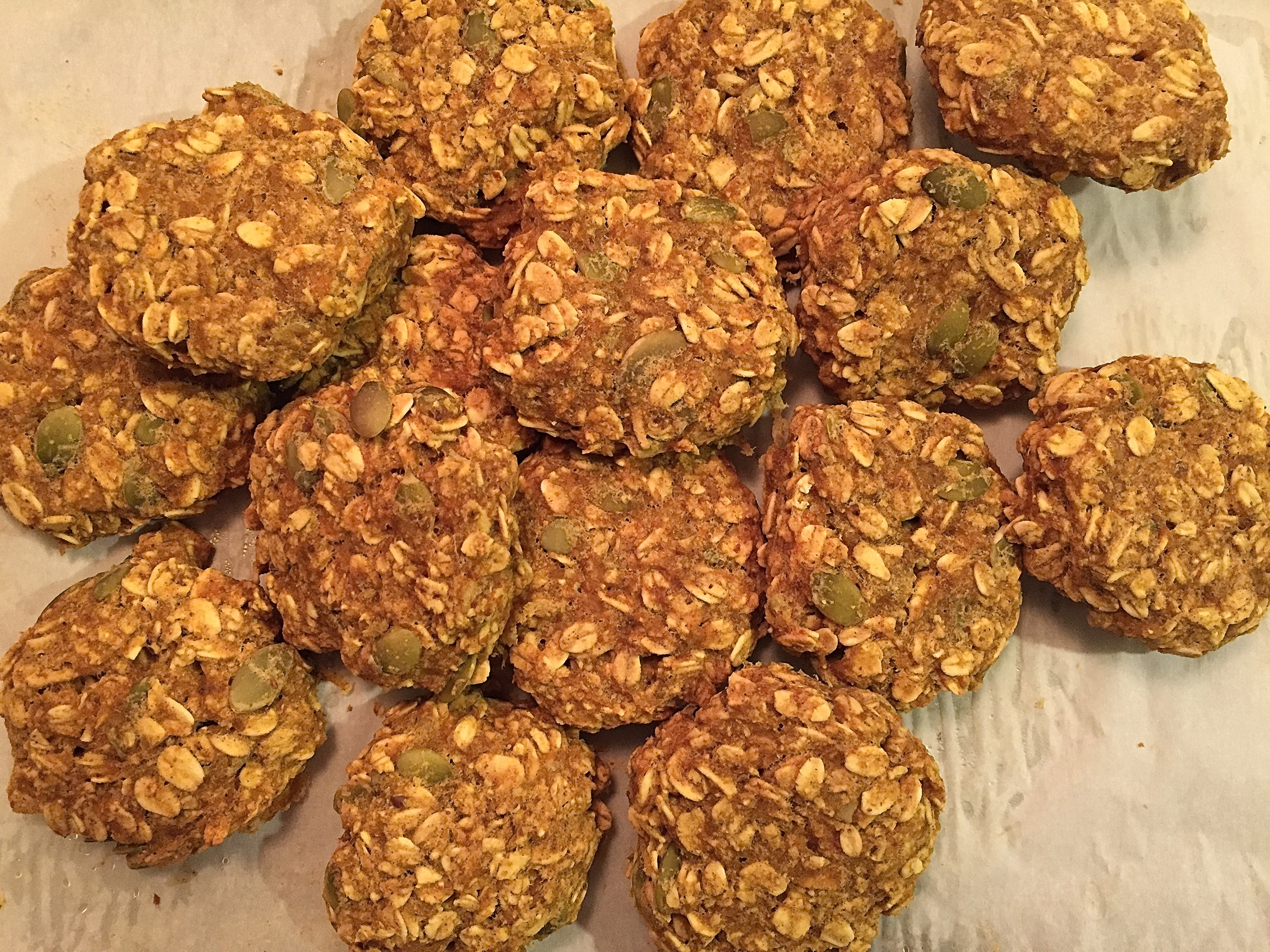
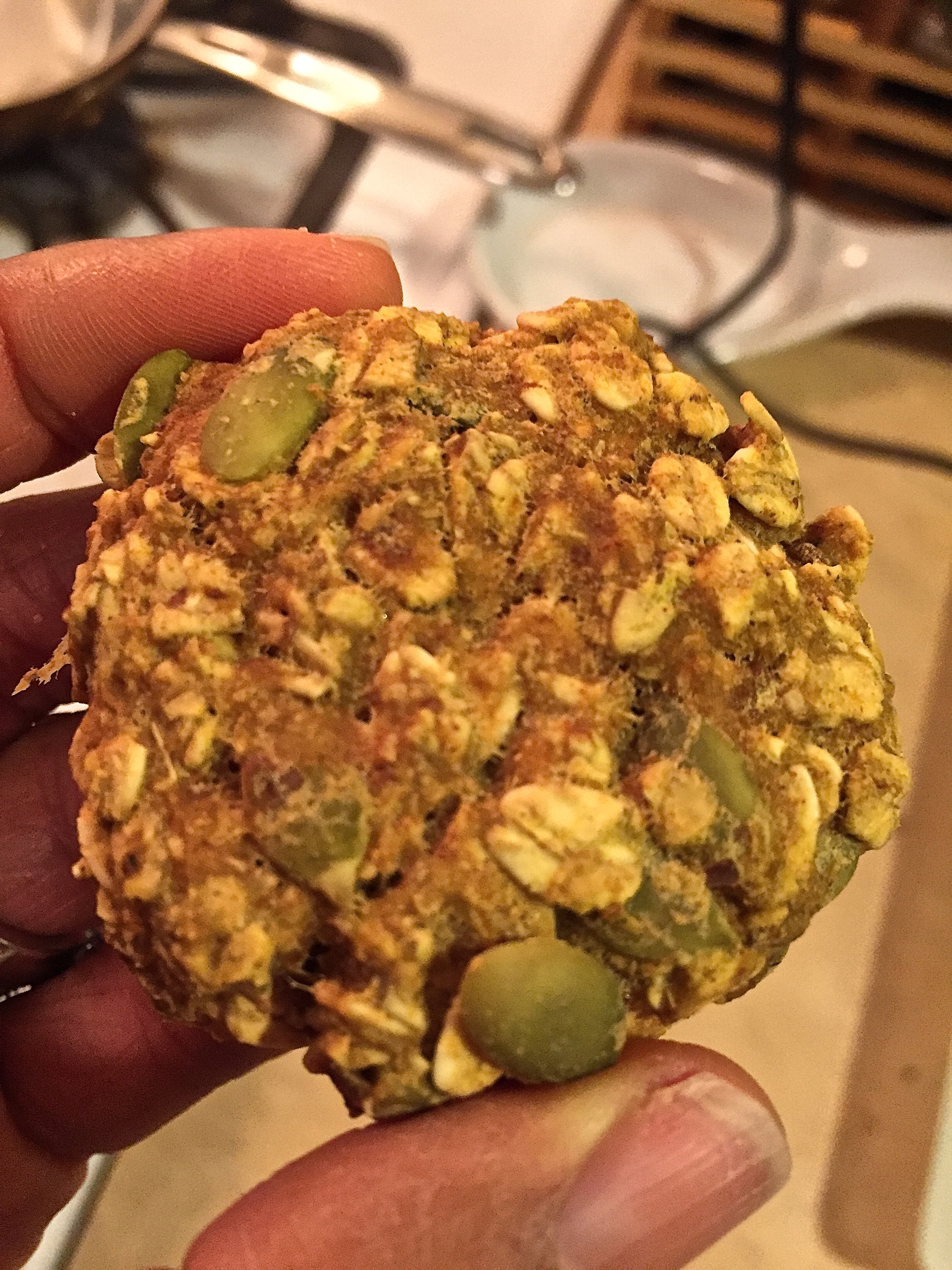
Unprocessed Pumpkin oatmeal cookies thanks to my coffee grinder

IMG_7494 IMG_7495

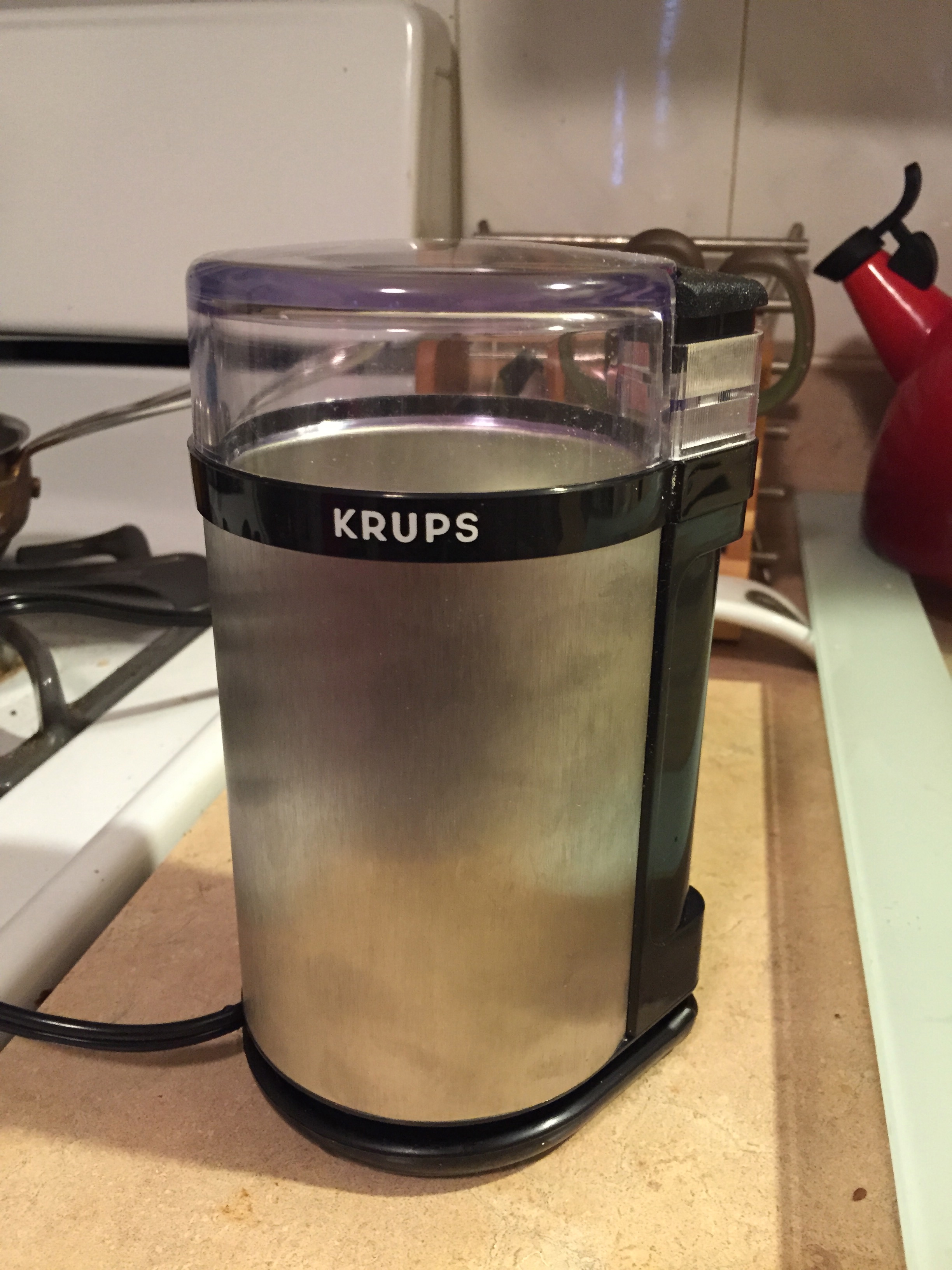
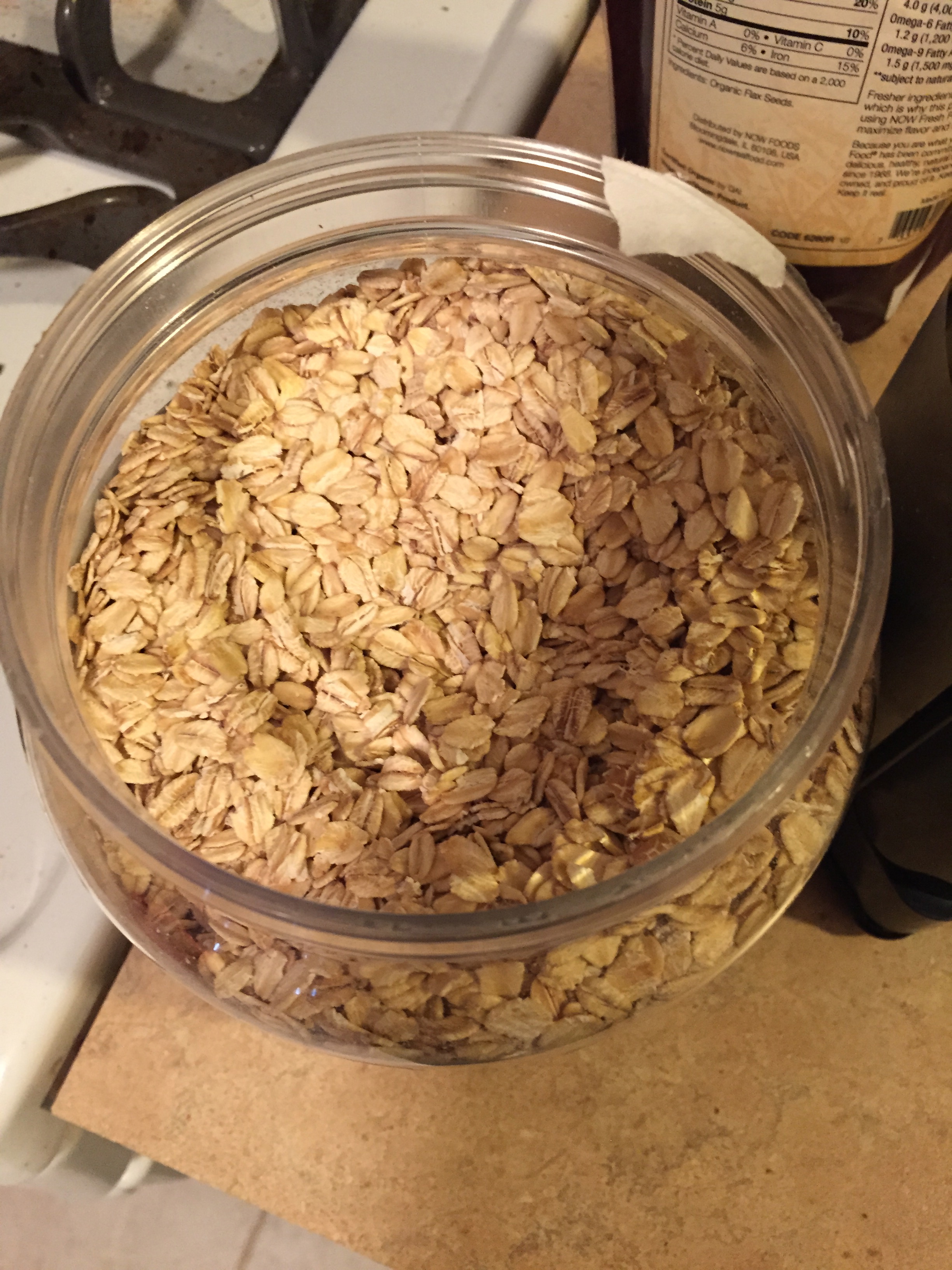
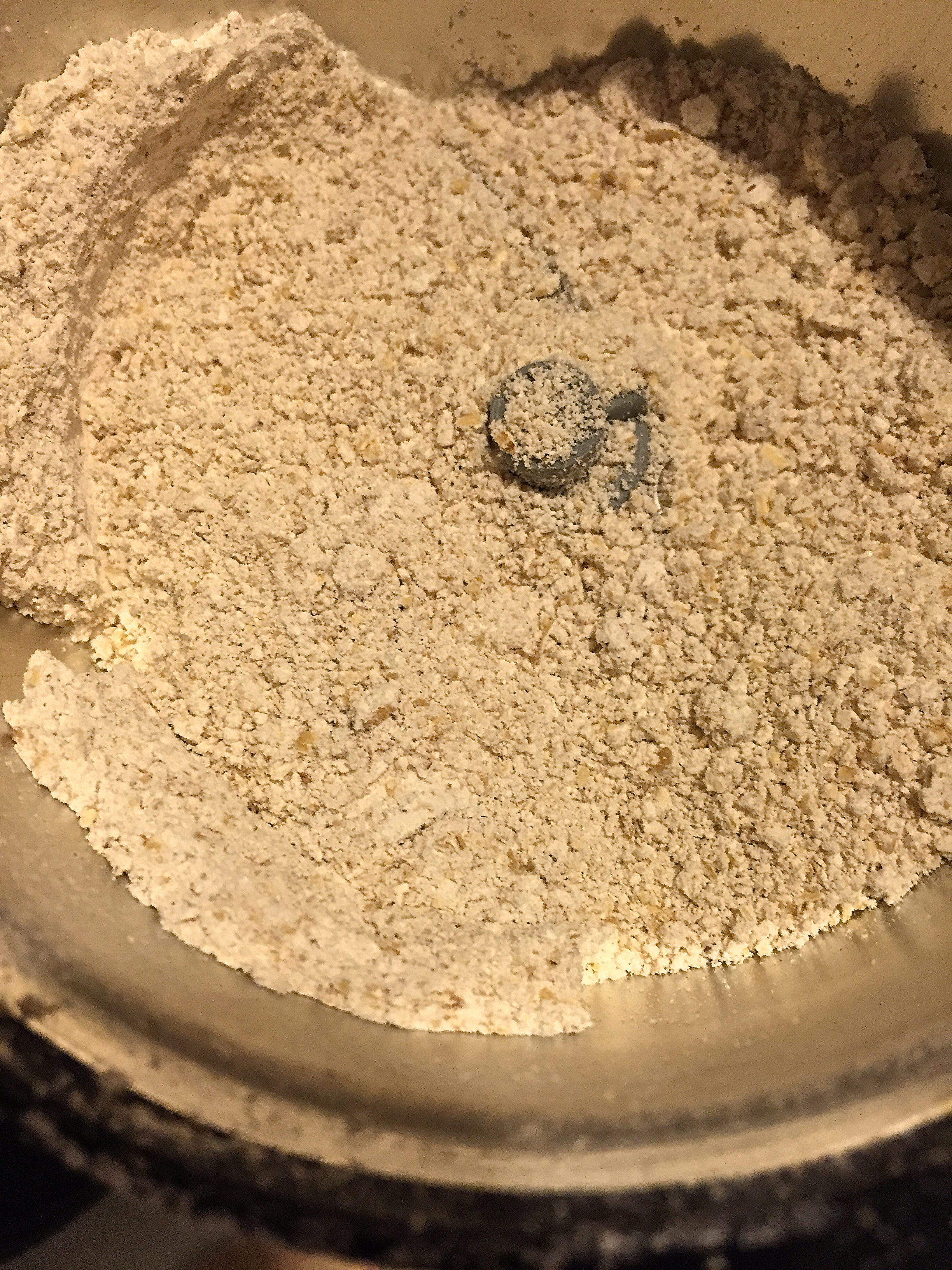
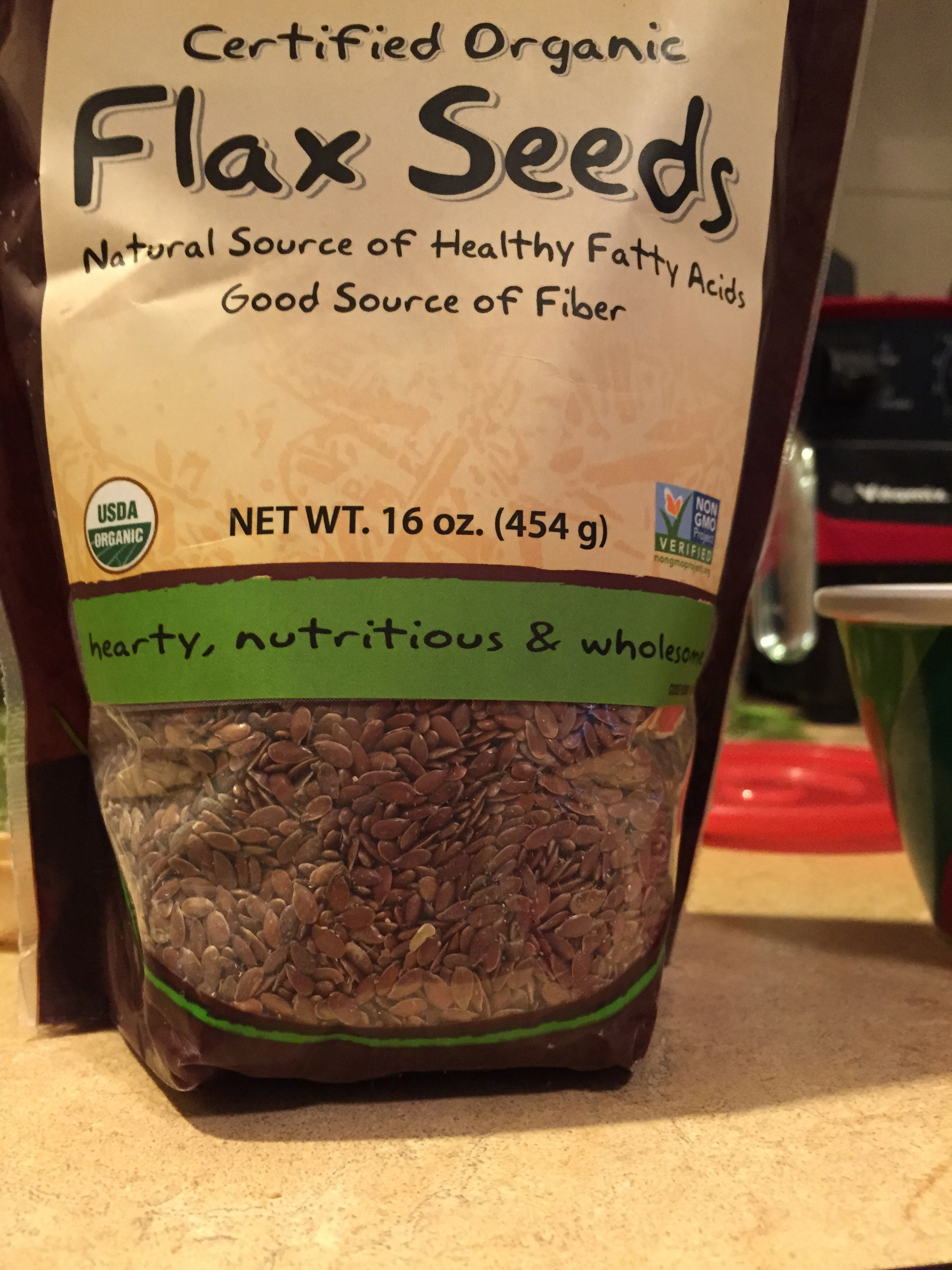
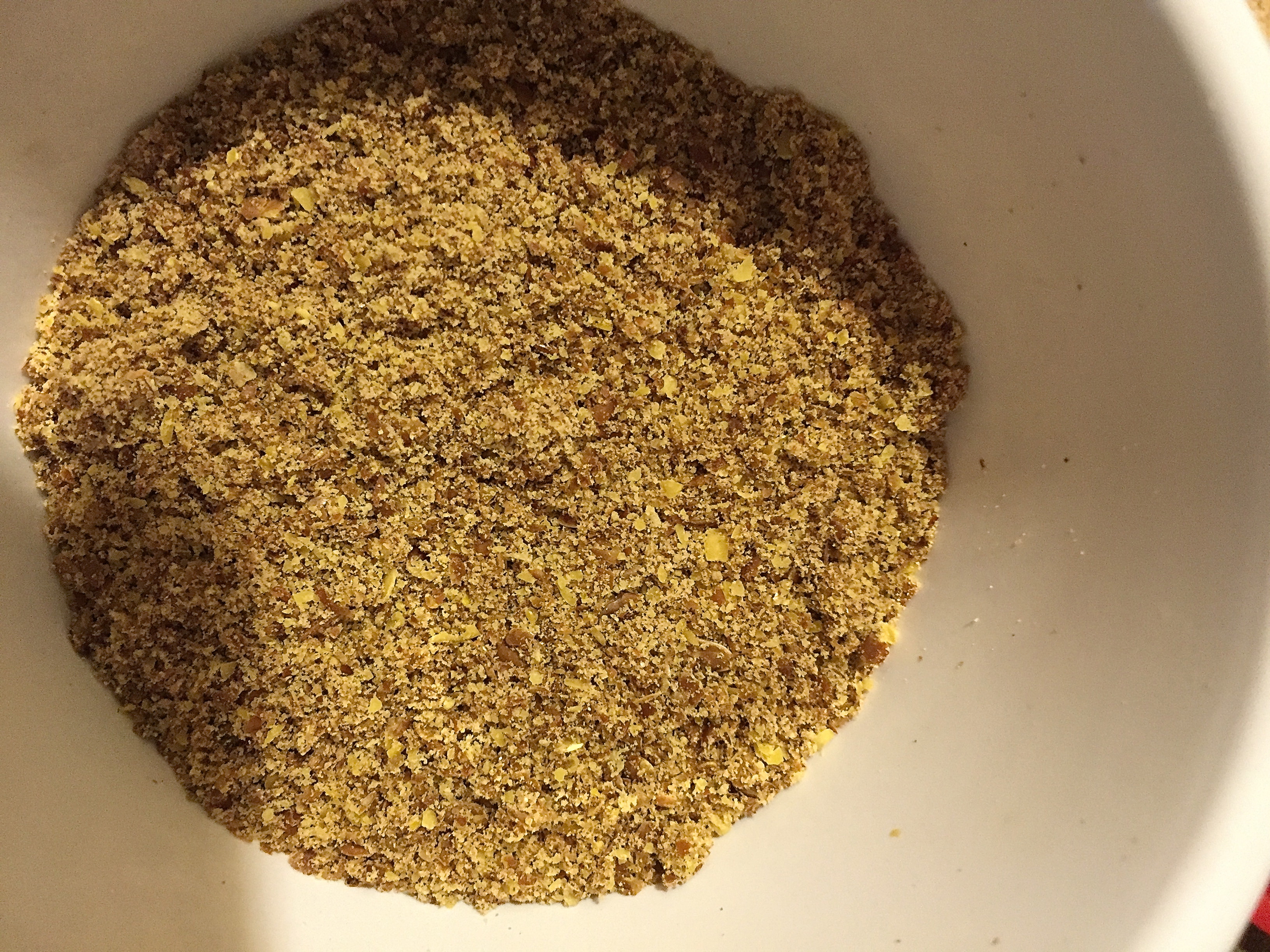
My mother gave me a coffee grinder for Christmas but I hardly drink coffee and definitely not at home.  This little appliance is easy to use and is coming in quite handy.  I ground my own oat flour from rolled oats and flax meal from whole flaxseeds!  I imagine it can be used to make other nut and seed flours.  I especially like grinding my own flaxseeds now because I can grind only what I need and enjoy the freshness and nutrients that get released. (Whole flaxseeds are very hard and will pass through your body undigested if you don’t grind them.)  Buying them already ground (flaxmeal) is fine and is what I used to do but the longer they are ground and thus exposed the more likely they are to be oxidized, go rancid and lose nutrients.  Who knows how long the meal is exposed in production and how long it’s been on the store shelf. Always store flax in an airtight container in the fridge.

Here’s one of my original recipes. These cookies have no added sugar or fat!  Every ingredient is unprocessed (except rolled oats which are minimally processed from oat groats and the baking powder.)

1 1/2 cups rolled oats

2 very ripe bananas

1/4 pumpkin puree

2 tbsp ground flaxseed

1/4 cup raw pumpkin seeds

1 tsp pumpkin pie spice

1 tsp baking powder

1 tsp vanilla extract

3/4 tsp sea salt

liquid stevia to taste (optional)

  1. Preheat oven to 350
  2. Grind 1/2 cup rolled oats then mix in with remaining rolled oats, salt, spices, baking powder and ground flaxseed.
  3. Mash bananas in a food processor or with a fork and add to the pumpkin puree then add vanilla.
  4. Mix dry and wet ingredients and add pumpkin seeds.
  5. Form into circles (I made 14 cookies) and lay on parchment paper on a cookie sheet. (Wet hands to forms balls so the batter does not stick to your fingers.)
  6. Press down gently to flatten  a bit.
  7. Bake for 12-15 minutes.

IMG_7493IMG_7488IMG_7489IMG_7492IMG_7491

Food cravings and addictions: Another reason to avoid commercial packaged foods

It’s no accident that it’s easier to over consume processed packaged foods than whole unprocessed or minimally processed ones.  The fact that they are nutritionally void is part of the reason (because your body is still craving nutrients) but there’s more to it.  A food craving is an overwhelming urge to consume a particular food.  Cravings aren’t inherently bad, as it depends on what one craves.  Believe or not, I often crave lettuce and raw vegetables.  They can become problematic when unhealthy foods are desired to the point of excessive consumption and when those cravings turn into addictions.  A food  addiction is an overwhelmingly strong biological drive to eat said food..

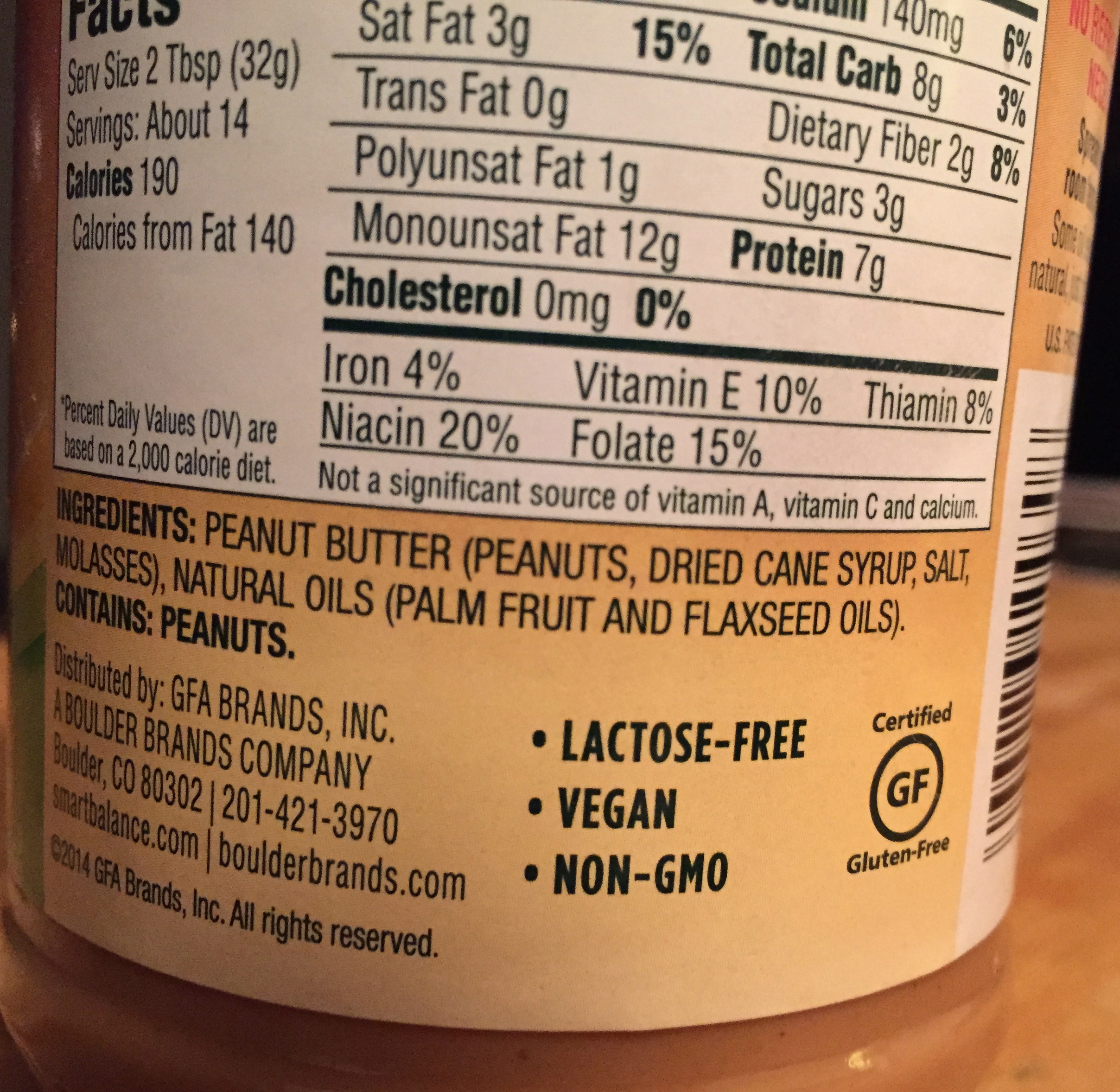
Fat, sugar and salt are the main ingredients added to foods to make them tastier.  Foods containing two or all three of these ingredients create more cravings and in some cases addictions than foods not containing two or all three.  Sugar and salt have pleasurable flavors where as the texture of fat is what makes it pleasing.  Studies have shown that the most addictive combination is fat and sugar.  It’s worth noting that in nature there are no foods that are naturally high in both fat and sugar.  If you think of one, please let me know.  To make it worse, food manufacturers literally have this down to a science.  They have extensively researched which combinations of fat, sugar and salt in foods chemically make them harder to resist.  That’s why it’s so difficult to eat just one potato chip, cookie, or piece of chocolate.  Try eating peanut butter which is made of just peanuts.  Then try a brand that has either salt added or sugar added or both added.  Then try a brand that has both added.  Big difference!  Think of other packaged foods and all the additional artificial flavor enhancers that are commonplace.  Some folks are doomed if they have just one taste.  Food manufactures want to maximize sales and profits so they will do whatever they can to make sure you buy and eat more of their products.

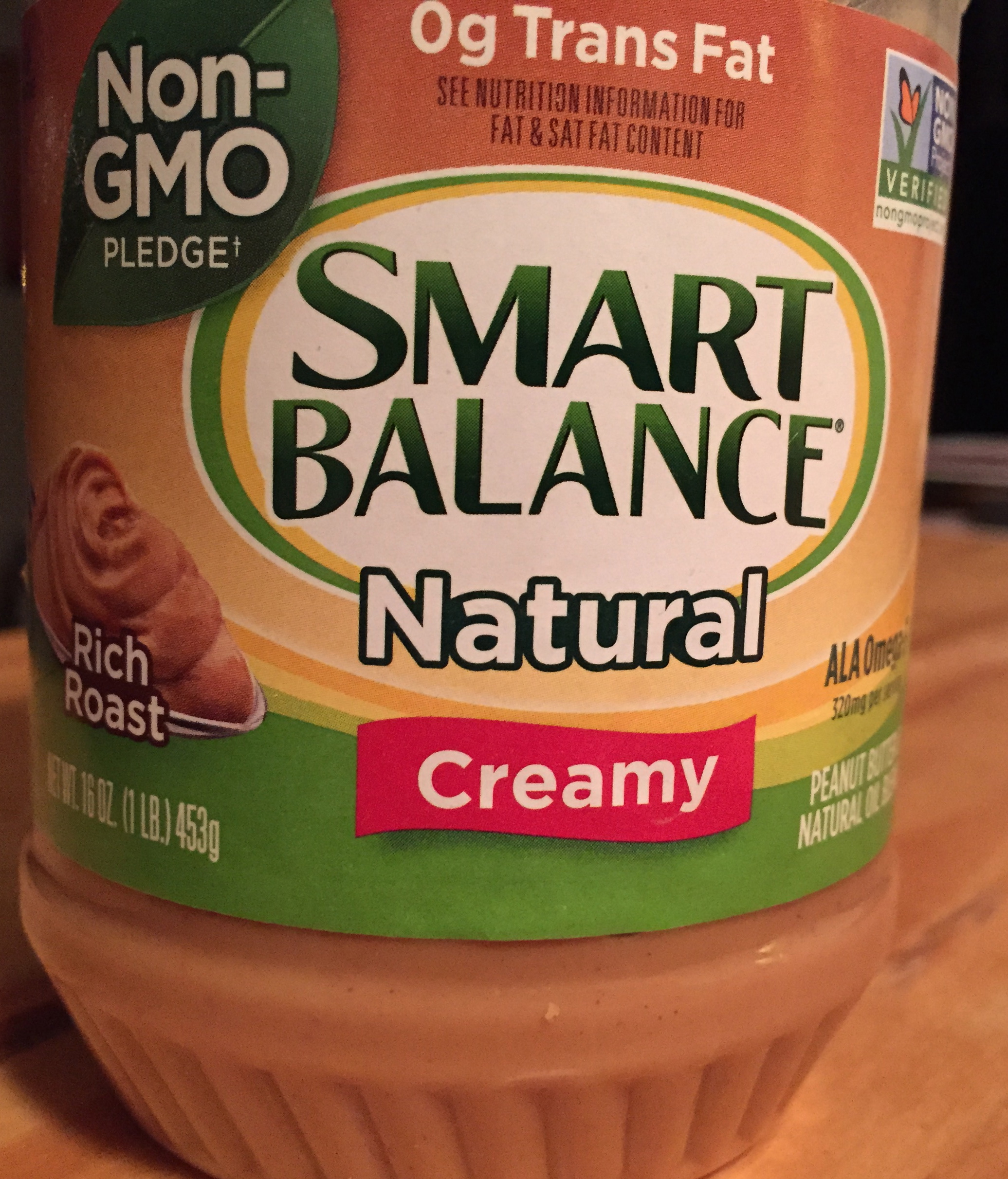
The packaging of the product in the photo below is screaming ‘HEALTHY!’ Non-GMO, zero trans fat, smart, natural, vegan, gf.  Even the ingredient list contains all normal items and no unpronounceable additives.  Peanuts are naturally high in fat.  With cane syrup, salt, molasses and oils added, it is now a potentially addictive food that will undoubtedly be craved by many. 

IMG_7476IMG_7475

My advice is to:

  1. Limit packaged foods that have these three ingredients added instead of naturally occurring.  Even if the package is labeled ‘natural, ‘smart’, or some other vague adjective associated with health, it could still have you eating way more than you planned or need.
  2. Reset your taste buds.  If you stop eating these foods for a few weeks or months and replace them with homemade versions your taste buds will adjust and if you try the overdone versions again they will taste sickenly sweet, salty or have an oily texture.  Even when baking healthy vegan recipes at home I’m always alarmed at how much sugar recipes call for.  I always use half the amount and still find the end result satisfyingly sweet.  Learn to enjoy nature’s flavors and textures in fruits, vegetables, nuts, seeds and grain.
  3. Choose wisely if you must eat packaged food for convenience or when traveling.  Try to find products that are not high in both sugar and fat.  Added fat and/or sugar( in all it’s forms and names) should not be in the first three ingredients listed.  Having foods high in fat, sugar and salt or two of the three occasionally is not detrimental especially if you do not overeat them.  You do have to know yourself.  I know what foods have the power to make me over consume them so i don’t keep them at home and if I eat them outside the house I don’t take any home.

Habits and Willpower

IMG_7281

So who had a New Year’s resolution at the beginning of this year? How long did it last?  If you’re going strong, excellent!  If not, read this. Last year I read an excellent book called The Power of Habit by Charles Duhigg.  I will summarize what resonated with me from his writings.

He defines a habit as The choices that all of us deliberately make at some point, and then stop thinking about but continue doing, often everyday.”  If you can make healthy eating and daily/regular exercise habits or automatic behaviors you will be living a happy life without having to think about it too much or trying so hard.  Here are the main points:

  1. The three parts of any habit are the cue, routine and reward.  The cue is what triggers the desire to do a certain behavior.  Cues can be determined by environment, emotions and people.  The routine is the specific action that results.  The reward is the end goal which is often the pleasure or satisfaction that the individual desired.  Think of any bad habits you want to curtail and identify these three facets.
  2. Cues and rewards are hard to eliminate so in order to break bad habits the routine must be altered.  For example, I tend to snack at work when I have a desk-work day.  I identified my trigger was an urge to simply do something different for a few moments.  That cue will continue to arise but now instead of snacking, I’ll do something else like walk around or talk to a coworker when I need a break.  What routine can you alter?
  3. Forming a new habit is easier when you believe what you are doing is beneficial.  If you are doing something just because someone else said you should it will be almost impossible to maintain it.  It’s essential to be self-motivated so you will have the self-efficacy to make lasting beneficial changes.

Now on to willpower.  Willpower is one’s ability to forgo temporary satisfaction for a longer term benefit.  It plays a role in changing bad habits into good ones.  Here’s what you need to know about willpower:

  1. It is finite.  That’s why it’s harder to resist a bad behavior such as eating junk food after a stressful day when your use of willpower was called upon a lot.  The good news is when you create a habit you will stick to it no matter what your frame of mind is or how stressed you are.  For example, some people will submit to eating fast food when they’ve had a long tough day.  Even if I had the worst day ever, eating fast food would never enter my mind because I haven’t eaten it for over a decade.
  2. Try to avoid using your willpower if you don’t have to.  For example, if there is a particular junk food you like, don’t keep it in the house.  Out of sight, out of mind is so true.
  3. Willpower builds self-regulatory strength that will trickle into other areas of your life.  People often find that when they develop healthy habits other parts of their lives also change for the better.
  4. It is crucial to anticipate what difficulty you will face and have a plan for navigating through it.  For example, if you will be attending an affair with loads of unhealthy food, don’t go hungry, don’t stand near the food and keep yourself occupied by having conversations.

Have a happy healthy life filled with habits that benefit you and your loved ones.

Home-made granola

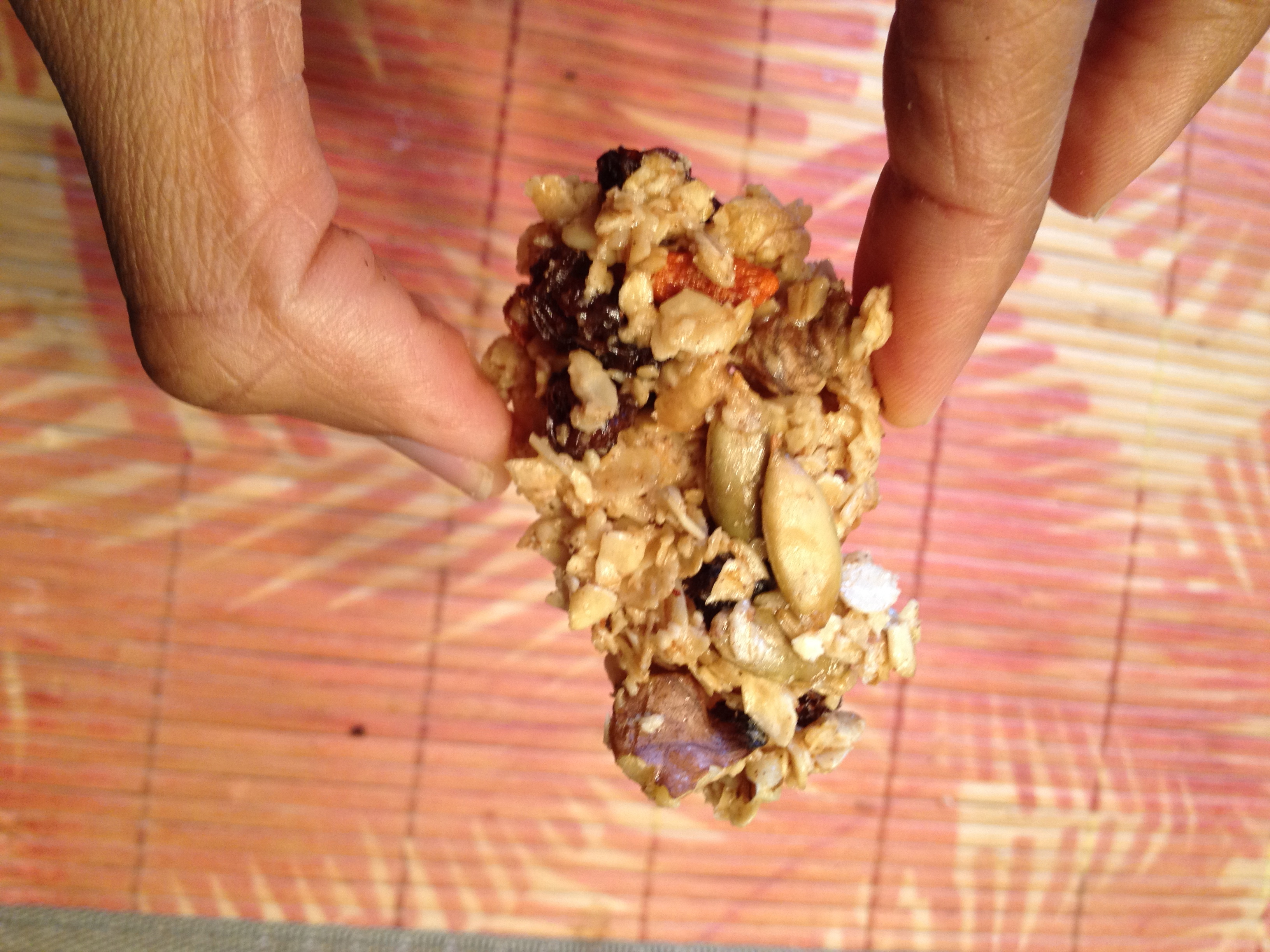
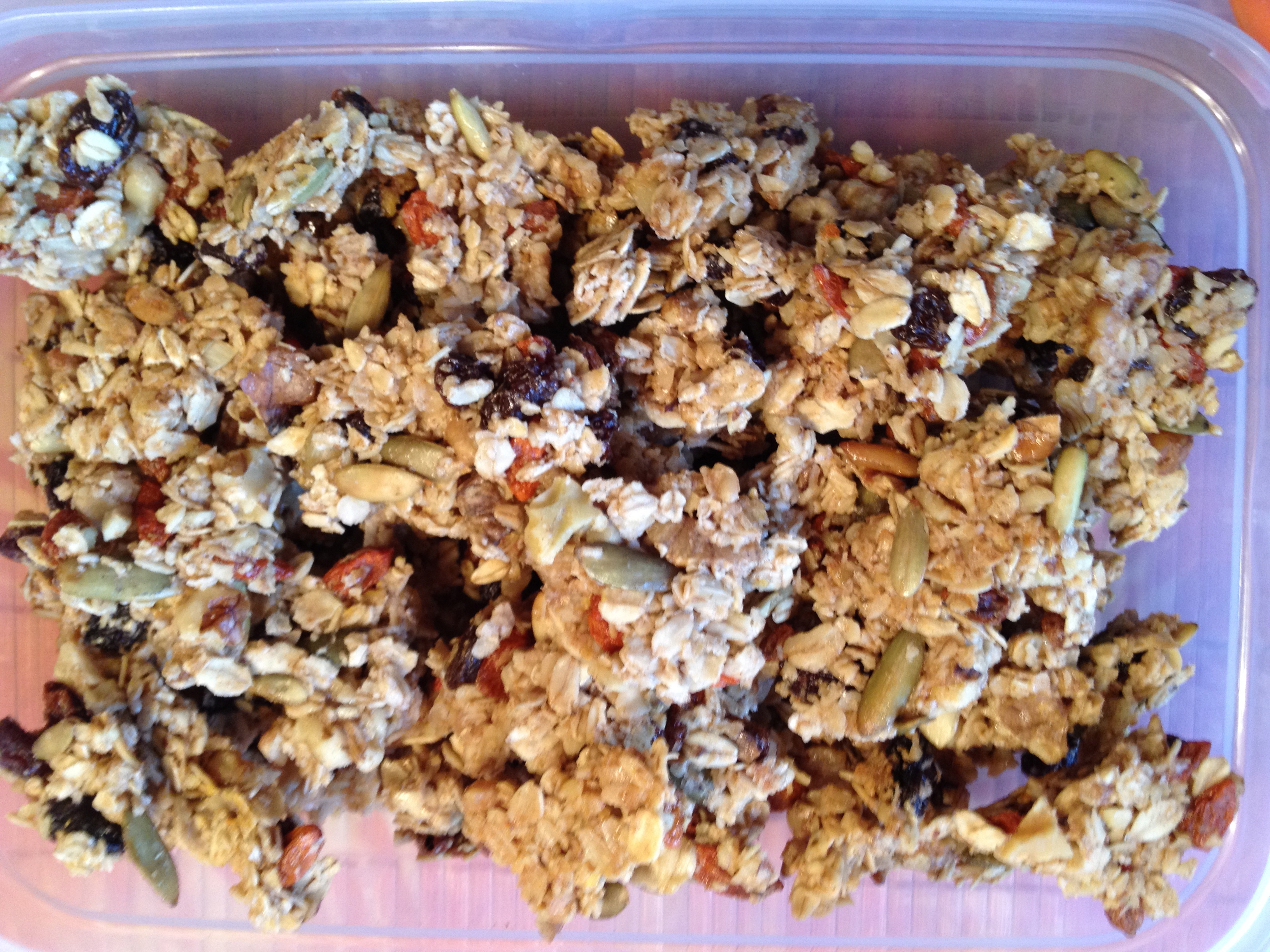
Granola has always been a tricky food for me.  I couldn’t decide if it was healthy or not.  On one hand most of its ingredients are nutritious such as oats, nuts, seeds and dried fruit.  On the other hand, it not low-calorie and basically all commercial varieties and many home-made ones are full of sugar in different forms and a large amount of added.  I recently saw a post from Food Babe about homemade granola.  I liked most of the ingredients but I didn’t like that it was loose like cereal instead of in clusters.  To me that’s the best part!  So I did some research and put something together.  It came out great!  It does have added sugar in the form of brown rice syrup and some coconut oil but very small amounts compared to what you will buy and many recipes you will find online.  Here goes:

IMG_7084IMG_7083

2 cups rolled oats

1 cup chopped raw walnuts

1/2 cup raw pumpkin seeds

1/3 cup raisins

1/3 cup goji berries

3 tbsp brown rice syrup/maple syrup

2 tbsp coconut oil

1 tsp pumpkin pie spice/cinnamon

1/2 tsp sea salt

2 packets stevia (optional)

2 tsp vanilla extract

  1. Preheat the oven to 300 and line a baking sheet with parchment paper.
  2. Use a food processor or coffee grinder to grind 1 cup of the oats into a fine powder. (My manual processor from Pampered Chef worked great.)
  3. Combine the ground oats with all the other dry ingredients.  Mix well.
  4. Combine the oil, syrup and vanilla in a sauce pan and heat just until it starts to bubble.
  5. Pour liquid mixture over dry ingredients and mix until everything is coated.
  6. Spread mixture onto baking sheet and press down to make it flat but with no gaps.  Do this with wet hands so it doesn’t stick to your fingers.
  7. Bake for 20-25 minutes.  If it burns even slightly it will have a burnt flavor, especially the fruit.
  8. Allow to cool completely before breaking into chunk sizes of your choosing.
  • I used mainly organic ingredients.
  • Feel free to use a different type of nut, seed or dried fruit.  I avoided dried cranberries because they have added sugar and pecans are a high-fat nut but these two are more festive options if you prefer.
  • If you want a chewier version add egg replacer (equivalent of 2 eggs) to the mixture before baking.
  • You can bake at a lower temperature such as 250 for an hour if you want to use less heat.

This is not a low-calorie snack but it’s full or whole grains, fiber, protein and healthy fats without an excessive amount of added sweeteners and oil.

Counting calories or making your calories count?

Calorie counting is a relatively new invention that was developed to tell us how much food to eat in a day/week.  Some of us have become out of touch with what true hunger feels like and have to rely of keeping track of what we eat mathematically  to control our weight.  I have been counting calories for over a decade.  Even though I know the difference between true hunger, boredom eating  and emotional eating and I know if I have eaten too much or too little, my brain is so programmed to mentally keep track.  It’s a habit of sorts that has become a reflex.  I’m trying to break it.  Maybe you can relate.

Calorie counting can be helpful in the following circumstances:

  1. If someone is making a major diet/lifestyle overhaul and needs to be aware of what and when they eat, tracking calories can make them more aware of how much or little they are eating.
  2. If someone is training for an intense endurance event such as a marathon, Ironman etc.  When someone expends this many calories it may be difficult to consume enough because the person may not feel hungry even though he/she need to eat/drink more.

IMG_6649

Otherwise we should try to eat based on what our bodies are telling us.  Here are some tips for controlling calories naturally and making the most of what you eat:

  1. Eat minimally processed foods without added preservatives, flavor enhancers other chemicals that the body cannot process.  The less processed the food the more bio-available the nutrients are.  When your body is adequately nourished it will let you know it’s satisfied.  Food with added chemicals can also create addictions and some companies even add substances that make your brain think you aren’t full so you keep eating and buying more.
  2. Eat more nutritionally dense foods instead of calorie-dense foods.  For example fresh fruits an vegetables have fewer calories and more volume than concentrated foods like nuts, seeds, oils, cheese and red meat.  The fruits and vegetables contain water and fiber which make you feel full.  There are calorie-dense foods that are very healthy like raw nuts, seeds, avocado and coconut.  Do not exclude them from your diet but limit them to one/two servings per day.  Starchy vegetables like sweet potatoes and yams and whole grains like quinoa and brown rice are also filling because they contain fiber and the water they absorb when they are cooked.
  3. Cut back on snacking.  There are experts that recommend small meals throughout the day and some that say three square meals.  Snacks are appropriate in some circumstances but in general I think eating 3-4 meals per day is beneficial because your body has time to fully digest the meal before you pile more food into your system.  The key is to eat enough at each meal so you don’t have to snack.  When I was on vacation this summer, not snacking was my saving grace for not gaining weight after 8 days on a cruise with little exercise compared to my normal routine of five spin classes/week and Bikram yoga six times per week.  I had a huge breakfast and lunch and a light dinner.  If I did snack it was a piece of fruit.  There were days where I went for 7-8 hours in between lunch and dinner because I was on a tour off the ship without access to anything healthy to eat.
  4. Stay hydrated with water.  The best time to drink water is in between meals so that it does not disrupt digestion by diluting digestive juices.  If you are properly hydrated, you are less likely to mistake thirst for hunger.
  5. Make eating time sacred.  This is not the time to multitask which includes watching TV, working or reading while eating. Slow down and really chew and savor your food.  When the mind is distracted while you are eating or does not fully process your food intake it tells you need to eat more because what you already ate, does ‘not count’ in a sense.
  6. Minimize or avoid eating only for pleasure.  It is possible to et a healthy diet that is also tasty and enjoyable.  Eat healthy foods that you actually enjoy.  Minimize the times when you eat and drink only for pleasure such as having dessert or beverage at a restaurant or catered event.  There are some healthy foods I dislike such as artichokes, green beans and eggplant.  But there are so many I truly love.  On a regular basis I crave raw salads, avocado, brown rice and kale chips to name a few.  If you’re not quite there yet, give your taste buds time to adapt.

What did you bring back with you from vacation?

Since summer is unofficially over, I thought this was appropriate timing for this post.  Did you return from your vacation with a refreshed feeling, great memories, cool pictures and souvenirs?  Wonderful!  Did you also come back with extra weight that you now have to work twice as hard to lose, weird feeling skin and a bloated body?

I recently went on a 7 day cruise.  Some (who think that my plant-based diet of choice is depriving), advised me to let loose, indulge and really enjoy myself.  My idea of fun does not include stuffing myself with unhealthy foods, feeling crappy and gaining weight in one week that it will take me three weeks to lose.  Because I was curious, I weighed myself before leaving and when I returned.  To my surprise, I weighed the same.  I began to think, how did I manage to maintain my weight?  Studies show that the average person gains 8 pounds on a seven-day cruise!  I normally teach five spin classes per week and practice Bikram yoga 6-7 days per week.  Clearly I was not able to follow this routine on the cruise ship.  Here are the pointers I came up with.

  1. Eat three meals.  Just because there is food available around the clock doesn’t mean you have to eat around the clock.  NO SNACKING!  Enjoy the buffets and eat until you’re full.  Don’t eat again until the next meal.  This will not only reduce how many unnecessary calories you consume, it will also allow your digestion to work uninterrupted.  I had two bananas, a large plate of fruit and two bowls of dairy-free oatmeal for breakfast everyday.  Lunch was fruits, a huge salad, cooked veggies (if available), rice or bread and a little dessert if they looked good.  I even had a few fries sometimes.  I ate a light dinner of salad, cooked veggies and soup mainly because dinner was served and there were very few vegan options.
  2. Decide what your indulgences will be.  When at a resort, all-inclusive hotel or on a cruise, elaborate buffets with everything are the norm.   It’s tempting to want to sample it all.  Desserts and other rich or calorie dense foods are what pack on the pounds.  Savor these in small amounts and eat only the ones that are really tasty and that satisfy your cravings.  In my experience, mass-produced desserts are not the best quality.  I find them to be dry and lacking a robust flavor.  This may be because they reuse deserts by freezing them and putting them back out.  If I’m going to indulge in something I know is full of fat and sugar, it will be a small amount and it better taste really good or I’m not having any more.  You must let go of the mind-set that you need to get your money’s worth.  Is it really worth it?
  3. Keep yourself busy.  Find fun activities offered on your trip or go on the excursions offered by the cruise line.  This will get your mind off eating, allow you to gain pleasure from something other than food and may burn some calories if you are walking a lot.
  4. Exercise.  Getting your sweat on, even a little helps your body detox, helps your elimination, burns calories and occupies some time that you may spend revisiting the buffet in between meals.  On a 7 day cruise, I did formal exercise four times.  It consisted of running the deck steps (10 flights) for 15 minutes or doing 20 minutes on the elliptical. (That’s all I can take on the boring elliptical) push ups, abs and practicing a condensed version of the Bikram yoga series.
  5. My bonus tip!  I packed my magnesium oxygen supplement.  MagO2 (not to be confused with magnesium oxide) is a gentle digestive system cleanser that cleanses the colon by loosening up toxins and undigested foods.  I typically take it on an empty stomach for one week every couple of months.  I feel it takes care of any ‘bad’ foods I may have had and also some environmental toxins we absorb.  Let’s face it, our bodies get polluted in many ways and when eating out, you know you are not getting organic foods.  It’s common to not be ‘regular’ when your daily routine, diet and maybe even time zone changes while you are on a trip.  This supplement will help maintain some normalcy in your bowels, keep things moving and help you to not gain weight.

I was not perfect on my trip.  I know some on the cooked foods I ate were prepared with more oil than I would have liked.  When i did my first Bikram class after getting home, my normally water-like sweat was heavy and greasy.  The gluten (it was hard to avoid) made my skin dry and flaky too.  Thankfully that cleared up in one week.  I want you to return from your vacation with a refreshed feeling, great memories, cool pictures and souvenirs; not extra weight, a bloated feeling and greasy skin.

IMG_6850

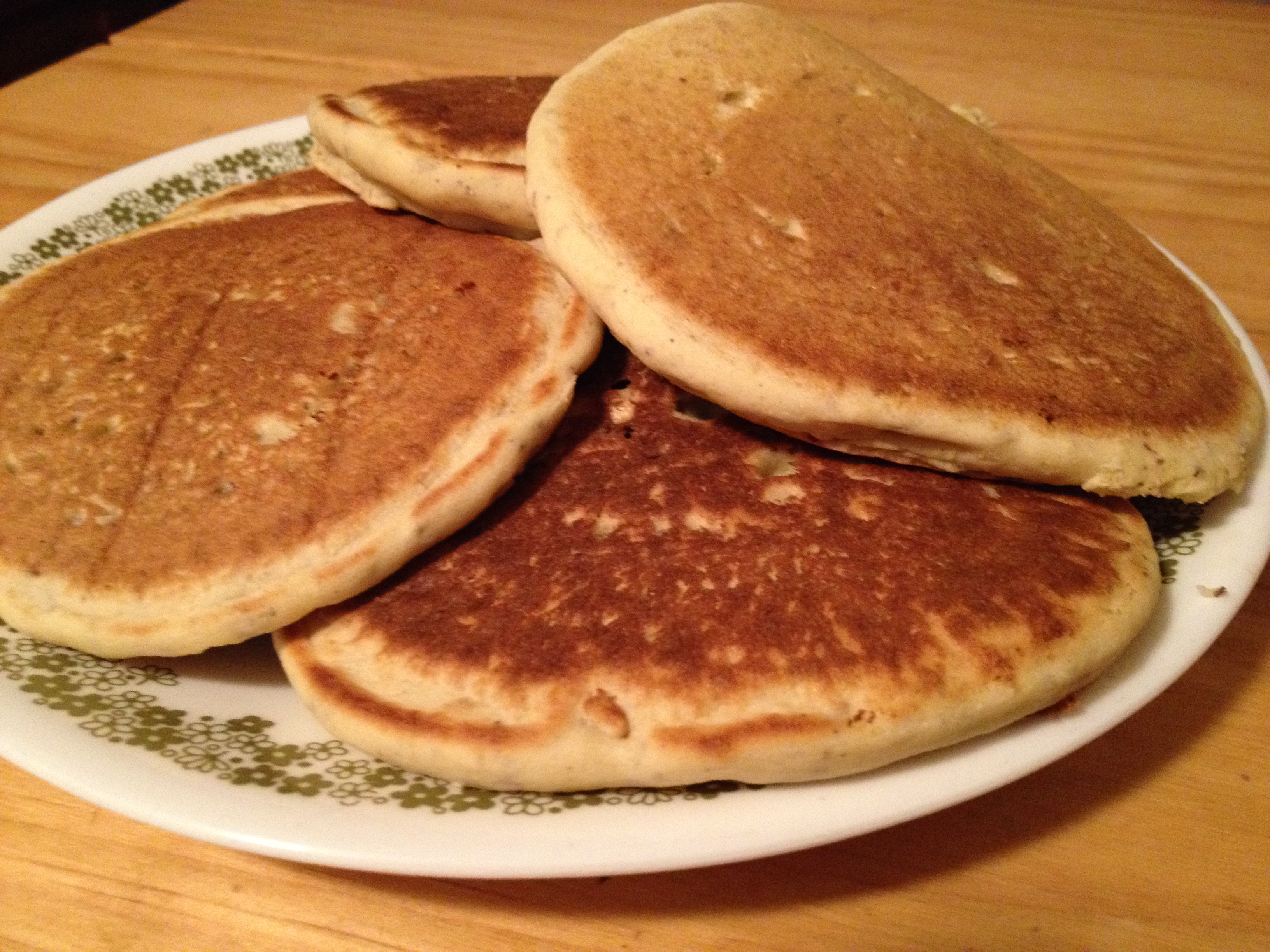
Your family won’t believe these pancakes are vegan, gluten and oil free

Here’s the story of how these pancakes came about.  I have been tweaking my pancake recipe for a few years to get them just right.  I rarely eat them but my fiancé loves my pancakes and this is one of the few vegan, gf foods I make that he will eat.  The challenges of gluten free and vegan baking are:

  • Finding binders that are not artificial and overly processed to replace eggs
  • Getting gluten free goods to be stretchy, pliable and not crumbly, grainy or brittle

I did not have my regular set of ingredients this time around and I knew my fiancé was patiently awaiting pancakes since I had been away on vacation the past two weekends.  I kept telling him I could not make panackes because I didn’t have the usual ingredients.  He repeatedly encouraged me to just make them with whatever I had because he would eat them anyway.  So I listened and to my surprise, this is the best version yet.

IMG_6912

1 cup garbanzo bean flour

1 cup Trader Joe’s all purpose gluten free flour

1/4 cup potato starch (helps with texture)

3 tbsp flaxseed meal (replaces eggs as a binder and has vitamin E and omega 3)

2 tbsp baking powder

1 cup unsweetened almond milk

1/2-1 cup water (depends on how runny the mixture gets)

1 1/2 tbsp brown rice syrup (makes them brown nicely)

1 /2 tsp sea salt

Preheat non-stick pan on medium heat.  

Combine dry ingredients and mix them.  

Add milk, water and syrup and mix just until lumps are out and mixture is smooth.  Batter should be runny enough to pour but stiff enough to keep it’s form in the hot pan and not run all over the pan.  Batter may thicken while it sits waiting to be scooped.  Add small amounts of water to thin it out a bit if needed.

Use a 1/3 cup or 1/2 cup to scoop up batter and pour into hot pan.  Flip pancake when bubbles start to appear on the uncooked side.  This will be anywhere from 1-2 minutes.  Pancakes should be medium brown on each side.  Makes about 14 4″ cakes.

This is perfect if your family does not eat a vegan or gluten free diet.  I promise,they won’t be able to tell.  They are best when eaten promptly.  Gluten free pancakes do harden a bit when refrigerated.  They are fine once warmed up but not as chewy and soft.


Oil-free spring rolls: So easy, healthy and satisfying

Are you in the mood for Asian food, particularly Vietnamese? These cuisines are inherently healthy. I love the idea of spring rolls but they are usually fried or wrapped in white rice paper at a restaurant.  I made my own with brown rice paper from Whole Foods (in the Asian food aisle). I got the idea from Kimberly Snyder CN but I switched up the ingredients a bit: brown rice paper wraps, organic red leaf lettuce, organic tempeh, sprouts, red onion, avocado, organic scallions, sea salt , hot sauce, organic shiitake mushrooms, organic Worcestershire sauce.  You can put whatever you like in the wraps.  Feel free to switch up the ingredients. 
IMG_6823 IMG_6824

Method:

  1. Cut tempeh length-wise into eight strips.
  2. Saute strips in a  mixture of water and Worcestershire sauce for about 3 minutes on each side.
  3. Add shiitake mushrooms to pan with tempeh and cover for last 3 mines of cooking.
  4. Slice onions and avocado and chop scallions finely.
  5. Dip each wrap in a bowl of war waterm to soften it.
  6. Lay wrap on a flat surface and place a small amount of lettuce, sprouts, onions, scallions and mushrooms in the center.
  7. Sprinkle with sea salt.
  8.  Add one strip of tempeh and sprinkle hot sauce on everything.
  9. Gently roll the wrap burrito-style securing the edges if possible.  
  10. If you overstuff the wrap it will be harder to fold and may tear.  The wrap will stick easily once rolled.

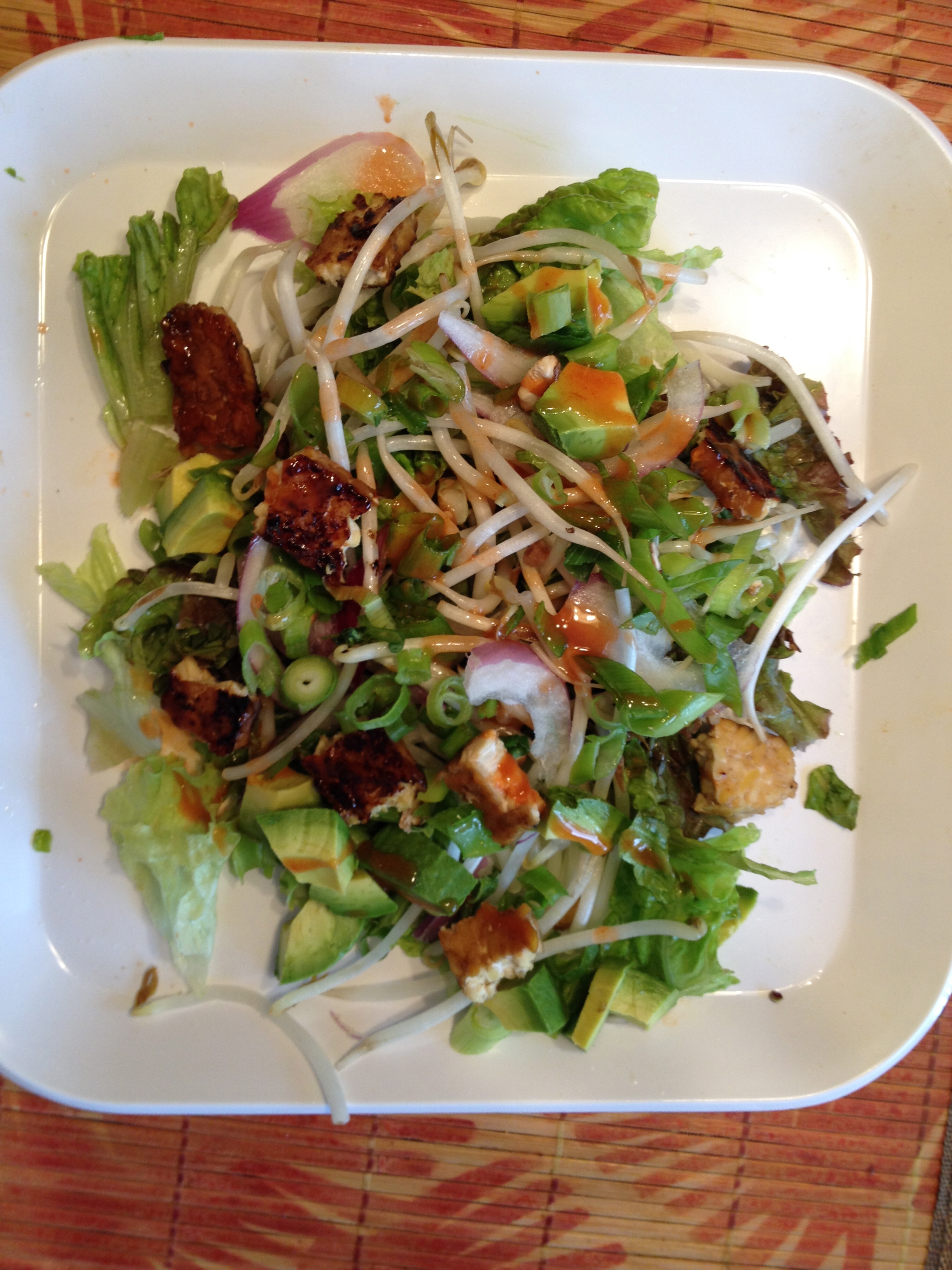
 I made a simple salad with the left over ingredients.  I still have to work on the aesthetics but they are really good and there’s no need for added oil.

IMG_6825